
338 Berry Street – The Williamsberry
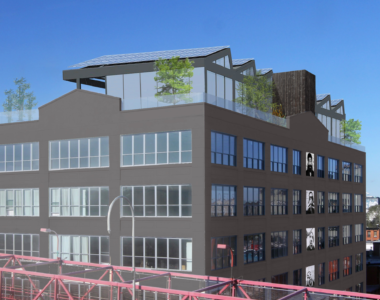
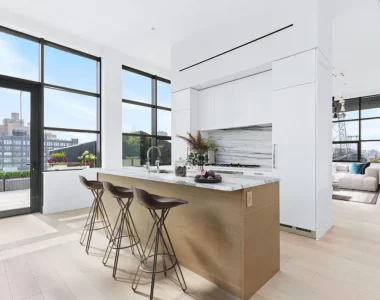
The Williamsberryat 338 Berry Street in Williamsburg, Brooklyn, is an eight-story residential conversionand vertical expansion of a former seven-story Tung Fa Noodle factory. [cite:1]
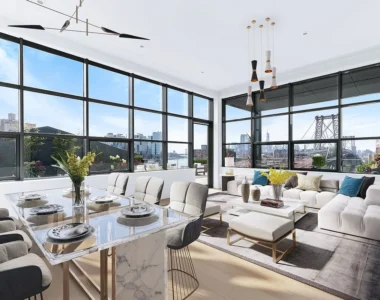
Completed as a 63-unitcondominium building, the project transforms a historic industrial structure originally built in 1914 intomodern loft-style residences while preserving its distinctive character. [cite:1]
Originally used as a noodle factory, the building began attracting artists in the 1990s who adapted thespaces for studio use. [cite:1]
In 2005, developer Mona Gora-Friedman acquired the property for 12million dollars and initiated the conversion in 2014, with the building anticipated to open in 2016. [cite:1]
DXA Studio served as the design architect for the conversion, and Paris Forino led the interior design.[cite:1]Situated two blocks east of Kent Avenue and directly north of the Williamsburg Bridge, the Williamsberryoccupies a prime location in one of Brooklyn’s most desirable neighborhoods. [cite:1]
The existing grayindustrial masonry façade is preserved and enhanced, while a setback, one-story rooftop addition with adistinctive sawtooth solar-panel roof provides a contemporary counterpoint to the historic base. [cite:1]
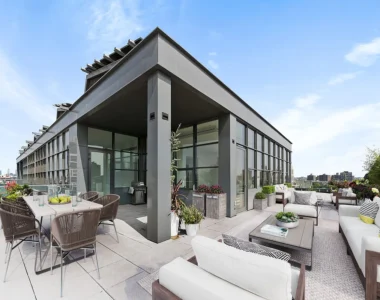
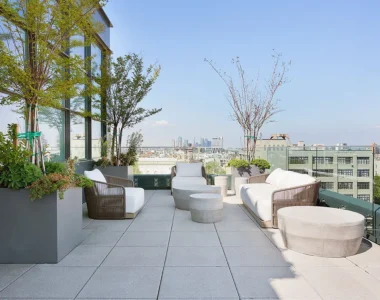
The new rooftop level accommodates building amenitiesincluding a roof deck, gym, and garden, offeringresidents expansive outdoor space with views of the surrounding neighborhood and bridge. [cite:1]
Thebuilding also features full-time doorman service to support a high level of comfort and security forresidents. [cite:1]
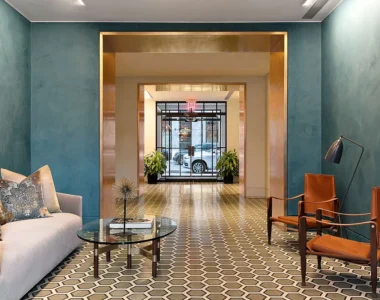
Inside, the lobby design highlights a refined industrial aesthetic, featuring copper accents, custom irondoors, and Moroccan mosaic tilework. [cite:1]
These materials and details create a warm, modern entryexperience that honors the building’s industrial heritage while aligning with contemporary condominiumexpectations. [cite:1]
The 338 Berry Street project exemplifies The OCD Builders’ capability to deliver complex adaptive reuseand conversion work, integrating structural expansion, sustainable features such as rooftop solar panels,and high-end interior finishes within a historic urban context. [cite:1]